
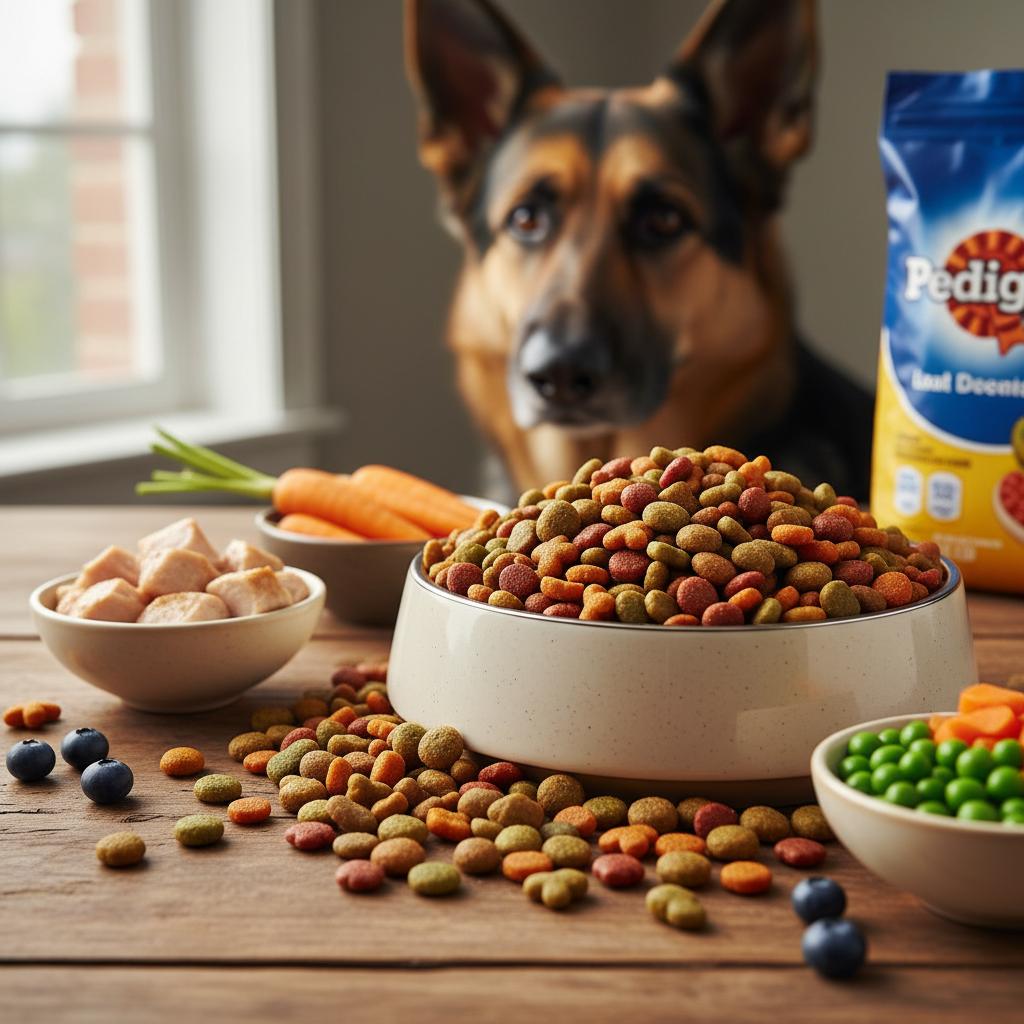
Understand Pedigree's ingredients, benefits, and how it supports your dog's health.
Quick Summary / Key Takeaways
- Pedigree offers a range of dog food products tailored for different life stages and specific needs, including puppy, adult, and senior formulas.
- The brand focuses on providing complete and balanced nutrition, meeting AAFCO standards for essential vitamins, minerals, and protein sources.
- Pedigree's recipes often include ingredients like whole grains, meat and bone meal, and vegetable protein, designed for digestibility and energy.
- Consider your dog's age, size, activity level, and any sensitivities when choosing the best Pedigree product for their dietary requirements.
- Regularly monitor your dog's weight, coat condition, and energy levels to ensure their current Pedigree diet is meeting their nutritional needs.
Introduction
Choosing the right dog food is a big decision for any pet owner. Pedigree has been a household name for decades, offering a wide range of products designed to meet the nutritional needs of dogs at various life stages and with different dietary requirements. Understanding what goes into Pedigree dog food helps you make an informed choice for your furry friend.
This guide explores Pedigree's approach to canine nutrition, breaks down common ingredients, and compares different product lines. We also cover how to properly transition your dog to a new food and what to look for to ensure they thrive on their diet.
Pedigree aims to provide complete and balanced meals, focusing on the five signs of good health: healthy skin and coat, strong bones and teeth, firm stools, strong muscles, and high energy. We will examine how their formulas work to support these key areas.
By the end of this article, you will have a clear picture of Pedigree dog food, helping you decide if it is the right choice for your dog's health and happiness.
Pedigree Dry Dog Food Product Comparison
| Product Line | Key Benefit | Primary Ingredients | Life Stage |
|---|---|---|---|
| Pedigree Adult Complete | Everyday balanced nutrition | Meat & Bone Meal, Whole Grain Corn | Adult |
| Pedigree Puppy Growth | Supports healthy growth & development | Chicken By-Product Meal, Corn Gluten Meal | Puppy |
| Pedigree Small Dog | Smaller kibble for small breeds | Ground Whole Grain Corn, Chicken By-Product Meal | Adult Small |
| Pedigree Weight Management | Helps maintain healthy weight | Ground Whole Grain Corn, Soybean Meal | Adult |
Typical Nutritional Breakdown in Pedigree Adult Dry Food
| Nutrient | Guaranteed Analysis (Min) | Role in Health | Source in Pedigree |
|---|---|---|---|
| Crude Protein | 21.0% | Muscle maintenance, tissue repair | Meat & Bone Meal, Corn Gluten Meal |
| Crude Fat | 10.0% | Energy, healthy skin & coat | Animal Fat, Soybean Oil |
| Crude Fiber | 4.0% (Max) | Digestive health, satiety | Beet Pulp, Whole Grains |
| Moisture | 12.0% (Max) | Hydration, palatability | Water content in ingredients |
Application Preparation Checklist
- •Research your dog's specific nutritional needs based on age, breed, and activity.
- •Consult your veterinarian before making significant dietary changes for your dog.
- •Gradually transition to Pedigree over 7-10 days to prevent digestive upset.
- •Ensure fresh water is always available alongside their new Pedigree food.
Post-Arrival Checklist
- •Monitor your dog's stool consistency and frequency for any changes after switching.
- •Observe changes in coat quality, energy levels, and overall demeanor.
- •Track your dog's weight regularly to ensure they maintain a healthy body condition.
- •Adjust feeding amounts as needed based on activity and veterinarian recommendations.
Table of Contents
Section 1: Understanding Pedigree's Nutritional Philosophy
- What is Pedigree's core nutritional philosophy for dogs?
- How does Pedigree ensure its dog food is complete and balanced?
- What are the key ingredients commonly found in Pedigree dog food?
- Does Pedigree meet AAFCO nutritional standards?
- How does Pedigree address different life stages in its formulas?
Section 2: Exploring Pedigree Dry Dog Food Options
- What are the main types of Pedigree dry dog food available?
- How do Pedigree Puppy formulas support growth and development?
- What makes Pedigree Adult dry food suitable for most adult dogs?
- Are there Pedigree dry food options for specific breed sizes?
- Does Pedigree offer dry food for weight management or sensitive stomachs?
Section 3: Pedigree Wet Food and Treats
- What varieties of Pedigree wet dog food can I choose from?
- How does wet food compare to dry food in terms of nutrition and benefits?
- What types of Pedigree treats are available for training or rewards?
- Are Pedigree treats formulated with specific dental health benefits?
- Can I mix Pedigree wet and dry food for my dog?
Section 4: Choosing and Transitioning to Pedigree
- How do I choose the right Pedigree product for my dog?
- What is the recommended process for transitioning my dog to Pedigree?
- How much Pedigree dog food should I feed my dog daily?
- What should I look for to know if Pedigree is working well for my dog?
- When should I consult a veterinarian about my dog's diet?
Frequently Asked Questions
Section 1: Understanding Pedigree's Nutritional Philosophy
FAQ 1: What is Pedigree's core nutritional philosophy for dogs?
Pedigree's core nutritional philosophy centers on providing complete and balanced nutrition to support the five universal signs of good health in dogs. This includes promoting healthy skin and a shiny coat, strong bones and teeth, firm stools for digestive health, robust muscles, and high energy levels. They formulate products to meet the specific needs of dogs at different life stages. The brand aims to make quality nutrition accessible for everyday pet owners. They focus on delivering essential nutrients through carefully selected ingredients.
FAQ 2: How does Pedigree ensure its dog food is complete and balanced?
Pedigree ensures its dog food is complete and balanced by adhering to the nutritional guidelines established by the Association of American Feed Control Officials (AAFCO). This means each formula contains the correct proportions of protein, fat, carbohydrates, vitamins, and minerals required for a dog's specific life stage. They conduct extensive research and testing to verify that their products meet these rigorous standards. This commitment helps guarantee that every meal provides all necessary nutrients. Their formulations are designed to prevent deficiencies and support optimal health.
FAQ 3: What are the key ingredients commonly found in Pedigree dog food?
Key ingredients commonly found in Pedigree dog food include whole grains like corn and wheat, various meat and bone meals (often chicken or beef), and vegetable protein. These ingredients provide essential carbohydrates for energy, protein for muscle development, and fats for skin and coat health. You will also find a blend of vitamins and minerals added to ensure complete nutrition. The exact composition varies by product line, but these form the base of many formulas. They select ingredients for both nutritional value and palatability.
FAQ 4: Does Pedigree meet AAFCO nutritional standards?
Yes, Pedigree explicitly states that its dog food products are formulated to meet the nutritional levels established by the AAFCO Dog Food Nutrient Profiles. This adherence means their foods provide all the essential nutrients in the correct balance for a dog's specific life stage, whether it is growth, maintenance, or all life stages. The AAFCO statement is usually found on the product packaging, assuring consumers of its nutritional adequacy. This commitment to standards helps ensure your dog receives a complete diet. They regularly update formulations to stay compliant with current guidelines.
FAQ 5: How does Pedigree address different life stages in its formulas?
Pedigree addresses different life stages by offering specialized formulas for puppies, adult dogs, and senior dogs. Puppy formulas contain higher protein and fat levels, plus added calcium for bone and muscle development. Adult formulas focus on maintenance and energy for active dogs, while senior formulas might include ingredients to support joint health and manage weight. Each formula is designed to meet the unique metabolic and nutritional requirements of dogs at that specific stage of life. This tailored approach helps ensure optimal health from puppyhood through their golden years. They adjust nutrient ratios to match varying needs.

Visual representation of understanding pedigree's nutritional philosophy concepts
Section 2: Exploring Pedigree Dry Dog Food Options
FAQ 6: What are the main types of Pedigree dry dog food available?
Pedigree offers several main types of dry dog food, catering to various needs. These include general adult formulas like Pedigree Adult Complete Nutrition, puppy-specific formulas such as Pedigree Puppy Growth & Protection, and options for small breeds with smaller kibble sizes. They also have specialized diets, including weight management formulas. Each type is formulated with specific ingredient profiles and nutrient balances to suit its target dog population. This variety allows owners to choose a product best fitting their dog's requirements. They also offer different flavor profiles.
FAQ 7: How do Pedigree Puppy formulas support growth and development?
Pedigree Puppy formulas support growth and development by providing higher levels of protein and fat compared to adult formulas, essential for rapid growth and energy. They also include increased calcium and phosphorus to promote strong bone and teeth development. Added DHA, an omega-3 fatty acid, supports brain and vision development. These specific nutrient ratios are crucial for a puppy's foundational health. The kibble size is also often smaller, making it easier for puppies to chew and digest. This comprehensive approach helps ensure healthy maturation.
FAQ 8: What makes Pedigree Adult dry food suitable for most adult dogs?
Pedigree Adult dry food is suitable for most adult dogs because it provides complete and balanced nutrition for maintenance and everyday activity. It contains appropriate levels of protein for muscle upkeep, fats for energy and a healthy coat, and carbohydrates for sustained vitality. The formulas are designed to meet AAFCO standards for adult dog maintenance, ensuring all essential vitamins and minerals are present. This makes it a reliable choice for dogs with no specific dietary restrictions. The kibble size is also appropriate for average adult mouths. It supports general health and well-being effectively.
FAQ 9: Are there Pedigree dry food options for specific breed sizes?
Yes, Pedigree offers dry food options tailored for specific breed sizes, particularly for small dogs. Their 'Small Dog' formulas feature smaller kibble pieces, making it easier for smaller mouths to chew and digest. While they do not typically offer extensive breed-specific lines like some premium brands, their small dog formula addresses a common need. This ensures that even the tiniest canines can comfortably enjoy their meals. The nutrient density is also adjusted to suit smaller metabolisms. This focus on kibble size improves palatability and digestion.
FAQ 10: Does Pedigree offer dry food for weight management or sensitive stomachs?
Yes, Pedigree offers dry food options for specific dietary needs, including weight management. Their 'Weight Management' formula is designed with reduced calories and fat to help dogs maintain a healthy weight or lose excess pounds. While they do not have a dedicated 'sensitive stomach' line, their 'Adult Complete Nutrition' is generally well-tolerated by many dogs. For severe sensitivities, consulting a vet is always best. These specialized formulas help address common health concerns. They aim to provide solutions for various canine health challenges.

Visual representation of exploring pedigree dry dog food options concepts
Section 3: Pedigree Wet Food and Treats
FAQ 11: What varieties of Pedigree wet dog food can I choose from?
Pedigree offers a diverse range of wet dog food varieties, including chunky stews, pate-style meals, and minced recipes, often featuring real meat pieces. These come in various flavors like beef, chicken, and lamb, sometimes mixed with vegetables. They also have formulas tailored for different life stages, such as puppy and adult wet food. Many options are available in cans or pouches, providing convenience and variety. This selection allows owners to cater to their dog's taste preferences. They prioritize palatability in their wet food offerings.
FAQ 12: How does wet food compare to dry food in terms of nutrition and benefits?
Wet food generally has a higher moisture content, which can aid in hydration and is often more palatable for picky eaters or dogs with dental issues. Nutritionally, both Pedigree wet and dry foods are formulated to be complete and balanced, meeting AAFCO standards for their respective life stages. Dry food typically offers dental benefits through kibble abrasion and is more cost-effective for larger dogs. Combining both can provide the best of both worlds: hydration and dental health. Wet food can also be easier to digest for some dogs. Each form has unique advantages for different dogs.
FAQ 13: What types of Pedigree treats are available for training or rewards?
Pedigree offers a wide array of treats suitable for training or as rewards, including crunchy biscuits like Pedigree Marrowbone, chewy sticks such as Dentastix, and softer, bite-sized options. These treats come in various shapes, sizes, and flavors to appeal to different dogs. Many are designed to be easily broken into smaller pieces for training sessions. They provide a tasty incentive for good behavior or a simple snack. The brand focuses on making treats both enjoyable and functional. This variety ensures you can find a suitable option.
FAQ 14: Are Pedigree treats formulated with specific dental health benefits?
Yes, Pedigree's Dentastix treats are specifically formulated with dental health benefits. Their unique X-shape and chewy texture are designed to help clean teeth down to the gum line and reduce tartar and plaque buildup. They also contain active ingredients that contribute to oral hygiene. While other treats are primarily for enjoyment, Dentastix focuses on supporting your dog's dental health with every chew. Regular use can contribute to better breath and healthier gums. This makes them a popular choice for daily dental care.
FAQ 15: Can I mix Pedigree wet and dry food for my dog?
Yes, you can absolutely mix Pedigree wet and dry food for your dog, a practice often called 'mixed feeding' or 'topping.' This approach can enhance palatability, increase hydration, and add variety to your dog's diet. Ensure you adjust the total feeding amount to avoid overfeeding, considering the calorie content of both the wet and dry components. Many owners find their dogs enjoy meals more when wet food is added as a topper. It is a great way to entice picky eaters. Always introduce new foods gradually to prevent digestive upset.

Visual representation of pedigree wet food and treats concepts
Section 4: Choosing and Transitioning to Pedigree
FAQ 16: How do I choose the right Pedigree product for my dog?
Choose the right Pedigree product by considering your dog's age, size, activity level, and any specific health concerns. Start with their life stage: puppy, adult, or senior. Then, look at breed size if applicable, like small breed formulas. Finally, consider specific needs such as weight management or if they prefer wet versus dry food. Reading the ingredient list and guaranteed analysis helps confirm it meets their nutritional requirements. Consulting your veterinarian is always a good final step. This systematic approach ensures an optimal choice. Prioritize formulas that align with their current health status.
FAQ 17: What is the recommended process for transitioning my dog to Pedigree?
The recommended process for transitioning your dog to Pedigree is a gradual one, typically over 7 to 10 days, to prevent digestive upset. Start by mixing 25% new Pedigree food with 75% old food for the first few days. Then, gradually increase the proportion of Pedigree food while decreasing the old food, reaching 50/50 for a few more days, then 75% new/25% old. By day 7-10, your dog should be eating 100% Pedigree. Monitor your dog for any signs of digestive distress during this period. This slow introduction helps their system adjust. Always ensure fresh water is available.
FAQ 18: How much Pedigree dog food should I feed my dog daily?
The amount of Pedigree dog food you should feed your dog daily depends on their weight, age, and activity level. Always refer to the feeding guide printed on the Pedigree product packaging, as it provides specific recommendations for that particular formula. These guides usually list amounts based on your dog's body weight. Active dogs may need slightly more, while less active dogs might need less to maintain a healthy weight. Divide the total daily amount into two or more meals. Adjust as needed based on your dog's condition. Your vet can also provide personalized advice.
FAQ 19: What should I look for to know if Pedigree is working well for my dog?
Look for several key indicators to know if Pedigree is working well for your dog. A healthy dog on a suitable diet will have a shiny coat, clear eyes, and good energy levels. Their stools should be firm and consistent, indicating good digestion. They should maintain a healthy weight, neither too thin nor overweight. Also, observe their overall demeanor; a happy, active dog is usually a well-nourished one. Any adverse changes like lethargy, dull coat, or digestive issues suggest the food may not be ideal. These signs reflect overall well-being. Regular vet check-ups also help confirm health.
FAQ 20: When should I consult a veterinarian about my dog's diet?
Consult a veterinarian about your dog's diet if you notice any persistent digestive issues like chronic diarrhea or vomiting, significant changes in weight, or a dull coat. Also, seek vet advice if your dog develops new allergies, becomes unusually lethargic, or shows signs of discomfort after eating. Before making major dietary changes, especially for dogs with pre-existing health conditions, a vet's input is invaluable. They can help diagnose underlying issues and recommend appropriate dietary adjustments. Do not hesitate to reach out with any concerns. Your vet is your best resource for nutritional guidance.

Visual representation of choosing and transitioning to pedigree concepts