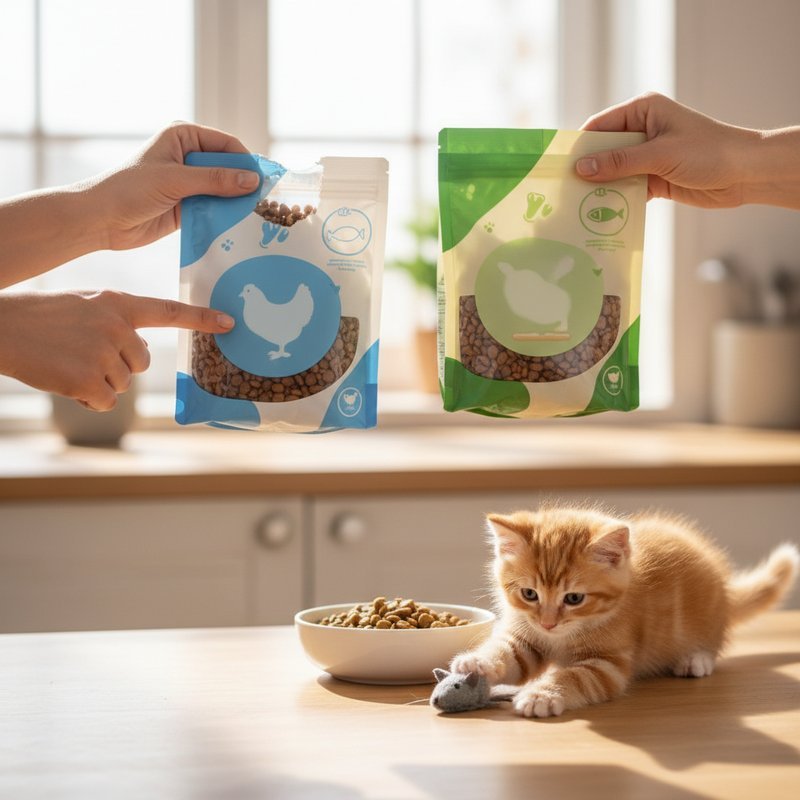
Ensure your kitten thrives with expert advice on nutrition and feeding practices.
Quick Summary / Key Takeaways
- Prioritize kitten-specific formulas rich in protein, healthy fats, and essential nutrients like DHA for brain development.
- Look for AAFCO statements on food labels to confirm nutritional adequacy for growth and reproduction.
- Introduce new foods gradually over 7-10 days to prevent digestive upset and allow your kitten to adjust.
- Feed multiple small meals throughout the day to support a kitten’s high energy needs and rapid growth.
- Consult your veterinarian for personalized dietary recommendations based on your kitten’s breed, health, and activity level.
Introduction
Bringing a new kitten home is an exciting time, and one of your most important jobs is making sure they get the right nutrition. Kittens grow incredibly fast, needing a diet specifically formulated to support their rapid development, strong bones, and healthy immune systems. Choosing the best kitten food sets the foundation for a long, healthy life. Understanding what makes a kitten food truly ‘best’ means looking beyond catchy labels. You need to consider ingredients, nutritional balance, and how different food types meet your kitten’s unique needs. A well-fed kitten has bright eyes, a shiny coat, and plenty of energy for play. This guide helps you navigate the options, from deciphering ingredient lists to understanding feeding schedules. We cover everything you need to make informed decisions, ensuring your furry friend gets the best start possible. Give your kitten the nutritional advantage they deserve.
Key Nutritional Requirements for Growing Kittens
| Nutrient Category |
Importance for Kittens |
Recommended Level |
Common Food Sources |
| Protein |
Muscle and tissue development |
30-40% of calories |
Chicken, fish, eggs, turkey |
| Fats (DHA/ARA) |
Energy, brain, and vision |
18-35% of calories |
Fish oil, flaxseed, animal fats |
| Calcium & Phosphorus |
Bone and teeth formation |
1.0-1.6% (Ca), 0.8-1.4% (P) |
Meat, dairy, bone meal |
| Vitamins & Minerals |
Overall health, immunity |
Balanced blend |
Fortified kibble, organ meats |
Comparison of Kitten Food Types
| Food Type |
Pros for Kittens |
Cons for Kittens |
Best Use Case |
| Dry Kibble |
Convenient, dental benefits, cost-effective |
Lower moisture, less palatable |
Primary diet for most kittens |
| Wet Food |
High moisture, palatable, good hydration |
More expensive, can spoil quickly |
Hydration, picky eaters, dental issues |
| Raw Food |
Highly digestible, natural ingredients |
Risk of pathogens, unbalanced if homemade |
Requires careful preparation and vet guidance |
| Freeze-Dried |
Nutrient-dense, lightweight, palatable |
Expensive, requires rehydration |
Toppers, treats, travel |
Application Preparation Checklist
- Research reputable kitten food brands known for quality ingredients and AAFCO compliance.
- Consult your veterinarian to discuss specific dietary needs for your kitten’s breed and health.
- Purchase a small bag or can of the chosen food to test for palatability and digestive tolerance.
- Prepare a dedicated feeding area with clean bowls for food and fresh water.
Post-Arrival Checklist
- Monitor your kitten’s weight and growth regularly to ensure healthy development.
- Observe stool consistency and frequency for signs of digestive issues or food sensitivities.
- Watch for changes in energy levels, coat condition, or appetite that might indicate dietary problems.
- Schedule follow-up vet visits to discuss your kitten’s progress and adjust their diet as needed.
Table of Contents
Section 1: Understanding Kitten Nutritional Needs
- What are the essential nutrients a kitten needs for healthy growth?
- How do a kitten’s nutritional needs differ from an adult cat’s?
- Why is protein so important in a kitten’s diet?
Section 2: Choosing the Right Kitten Food
- What should I look for on a kitten food label?
- Is wet food or dry food better for kittens?
- How do I select a high-quality kitten food brand?
Section 3: Feeding Your Kitten
- How often should I feed my kitten?
- What is the best way to transition a kitten to new food?
- When should I switch my kitten from kitten food to adult cat food?
Section 4: Common Kitten Feeding Questions
- Can kittens eat human food or homemade diets?
Frequently Asked Questions
Section 1: Understanding Kitten Nutritional Needs
FAQ 1: What are the essential nutrients a kitten needs for healthy growth?
Kittens need a diet rich in protein, healthy fats (including DHA), vitamins, and minerals to support their rapid growth and development. Protein builds muscles and tissues, while fats provide concentrated energy and aid brain and vision development. Essential vitamins and minerals like calcium, phosphorus, and taurine are crucial for strong bones, teeth, and overall organ function. These nutrients ensure proper immune system development and a healthy start in life.
Real Results: Kittens need a lot of specific nutrients because they grow so fast, much quicker than human babies. Think about it: a kitten can go from a tiny newborn to a playful, energetic cat in just a few months. To fuel this amazing growth, they need a diet packed with protein, which is super important for building strong muscles and healthy organs. They also need healthy fats, especially DHA, which helps their brain and vision develop properly. It’s like giving a young student the best tools for learning. Plus, minerals like calcium and phosphorus are key for developing strong bones and teeth, and taurine is vital for their heart and eyes. Without these specific nutrients, a kitten might not grow as strong or healthy. For example, studies show kittens fed diets with adequate DHA have better cognitive function and vision. So, choosing the right food really sets them up for a long, happy life.
Takeaway: Provide a kitten-specific diet with high protein, healthy fats, and essential vitamins for optimal development.
↑ Back to Table of Contents
FAQ 2: How do a kitten’s nutritional needs differ from an adult cat’s?
Kittens have significantly higher energy and nutrient requirements per pound of body weight compared to adult cats due to their rapid growth. Their food needs more protein, fat, and specific vitamins and minerals like calcium and phosphorus for bone development. Adult cat food lacks the concentrated calories and nutrient density necessary to support a kitten’s intense growth phase. Feeding adult food to a kitten can lead to nutritional deficiencies and stunted growth.
Real Results: Kittens are basically tiny athletes in constant training, so their nutritional needs are much higher than an adult cat’s. Imagine a human baby compared to an adult – the baby needs more calories and specific nutrients for all that rapid growth. For kittens, this means their food needs to be much denser in protein, which is essential for building all those new muscles and tissues. They also need more fat for energy, because they’re always playing and exploring, and specific vitamins and minerals like calcium and phosphorus for developing strong bones. Adult cat food just doesn’t have that concentrated punch of nutrients. For instance, a kitten might need 2-3 times the calories per pound of body weight compared to an adult cat. Feeding an adult formula to a kitten can actually slow down their growth and lead to health problems because they’re missing out on vital building blocks. Always choose food specifically labeled for ‘kittens’ or ‘growth’.
Takeaway: Always feed kitten-specific formulas to support their higher energy and nutrient demands for growth.
↑ Back to Table of Contents
FAQ 3: Why is protein so important in a kitten’s diet?
Protein is crucial for kittens because it provides the amino acids necessary for building and repairing muscles, organs, skin, and fur. Kittens are in a period of rapid growth, so they need a constant supply of high-quality protein to support this development. Insufficient protein can lead to poor growth, a weakened immune system, and overall poor health. Look for animal-based protein sources as the first ingredient.
Real Results: Protein is like the building blocks for a kitten’s entire body, making it incredibly important. Think about how fast kittens grow – they’re constantly developing new muscles, organs, and even their fur and skin. All of that requires a steady supply of amino acids, which come directly from protein. If a kitten doesn’t get enough high-quality protein, their growth can actually slow down, their muscles might not develop properly, and their immune system could become weaker, making them more susceptible to illness. For example, a diet with 30-40% protein is generally recommended for kittens, significantly higher than what a maintenance diet for an adult cat might offer. Good protein sources are things like chicken, turkey, or fish. You want to see these listed as the first ingredients on the food label. It truly fuels their entire development.
Takeaway: Ensure kitten food lists animal-based protein as the primary ingredient for proper development.
↑ Back to Table of Contents
Section 2: Choosing the Right Kitten Food
FAQ 4: What should I look for on a kitten food label?
When checking a kitten food label, prioritize an AAFCO statement indicating the food is ‘complete and balanced’ for ‘growth’ or ‘all life stages.‘ Look for real meat (like chicken, turkey, or salmon) as the first ingredient, signifying a high-quality protein source. Also, check the guaranteed analysis for high protein and fat content, and avoid foods with excessive fillers, artificial colors, or by-products. A clear ingredient list helps you understand what your kitten is eating.
Real Results: Reading a kitten food label can feel like deciphering a secret code, but a few key things really matter. First, always look for an AAFCO statement. This is the Association of American Feed Control Officials, and their statement confirms the food is nutritionally complete and balanced for a kitten’s growth. It’s a stamp of approval that the food meets scientific standards. Next, check the first ingredient. You want to see real meat, like ‘chicken’ or ‘salmon,’ not just ‘meat by-products’ or ‘corn.’ This tells you the primary protein source is high quality. Also, glance at the guaranteed analysis for protein and fat percentages; kittens need higher levels of both. For example, a good kitten food might have over 30% protein and 18% fat. Avoid foods with lots of artificial colors or vague ‘animal digest’ ingredients. These small checks make a big difference for your kitten’s health.
Takeaway: Verify AAFCO statement for ‘growth’ and real meat as the first ingredient on kitten food labels.
↑ Back to Table of Contents
FAQ 5: Is wet food or dry food better for kittens?
Both wet and dry foods offer benefits for kittens, and many owners choose a combination of both. Dry kibble is convenient, can help with dental hygiene, and is often more cost-effective. Wet food provides excellent hydration, is highly palatable, and can be easier for young kittens to eat. The ‘best’ choice often depends on your kitten’s preferences, health needs, and your lifestyle. A mixed diet can offer the advantages of both.
Real Results: Deciding between wet and dry food for your kitten is a common question, and honestly, both have their perks. Dry kibble is super convenient; you can leave it out, and it’s generally more budget-friendly. Plus, the crunchy texture can help keep their teeth clean as they chew. On the other hand, wet food is fantastic for hydration because it’s mostly water, which is great for a cat’s urinary health. It’s also usually more appealing to picky eaters and easier for very young kittens to manage. Many vets actually suggest a combination approach. For example, you might offer dry food throughout the day and a portion of wet food in the morning and evening. This way, your kitten gets the dental benefits and convenience of dry food, plus the hydration and palatability of wet food. Ultimately, the best choice depends on what your kitten likes and what works for your routine. Both can provide complete nutrition if they’re high quality and kitten-specific.
Takeaway: Consider a mixed diet of both wet and dry kitten food to leverage the benefits of each type.
↑ Back to Table of Contents
FAQ 6: How do I select a high-quality kitten food brand?
Select a high-quality kitten food brand by looking for those with a strong reputation for research and quality control. Prioritize brands that conduct feeding trials, not just nutrient analysis, and have veterinary nutritionists on staff. Check for clear ingredient sourcing and manufacturing transparency. Reading reviews and asking your veterinarian for recommendations also helps ensure you choose a brand committed to optimal kitten health. Avoid brands with frequent recalls or vague ingredient lists.
Real Results: Choosing a high-quality kitten food brand involves a bit more than just picking the prettiest bag. You want to look for brands that invest in scientific research and have strong quality control measures. Think about it: a brand that employs veterinary nutritionists and conducts actual feeding trials, rather than just lab analysis, shows a real commitment to animal health. This means they’ve tested the food on real kittens to ensure it supports their growth and well-being. Also, transparency matters. Look for brands that are open about where they source their ingredients and where their food is manufactured. For example, a brand might proudly state their ingredients are sourced from specific regions or that their facilities meet certain certifications. Your veterinarian is also an excellent resource; they often have insights into which brands consistently perform well for their patients. Avoid brands with a history of frequent recalls or those that use very generic terms in their ingredient lists. These steps help you pick a truly reliable brand.
Takeaway: Choose brands with veterinary nutritionists, feeding trials, and transparent ingredient sourcing for quality assurance.
↑ Back to Table of Contents
Section 3: Feeding Your Kitten
FAQ 7: How often should I feed my kitten?
Kittens need to eat more frequently than adult cats due to their high metabolism and rapid growth. Generally, kittens under six months old should be fed three to four small meals a day. This schedule helps maintain stable blood sugar levels and provides a consistent energy supply for their active bodies. As they get older, you can gradually reduce the frequency to two to three meals daily. Always follow the specific feeding guidelines on your chosen kitten food packaging.
Real Results: Kittens are like little energy machines, so they need to eat more often than adult cats. Their tiny stomachs can’t hold a lot of food, but their bodies are burning through calories at an incredible rate to fuel all that growth and play. Generally, for kittens under six months old, feeding them three to four small meals throughout the day is ideal. This helps keep their energy levels steady and prevents them from getting too hungry, which can sometimes lead to overeating later. For example, instead of one big meal, you might give them a quarter cup of food four times a day. As they get a bit older, say between six months and a year, you can start to reduce that to two or three meals daily. Always check the specific feeding instructions on your kitten food bag, as they often provide age and weight-specific guidelines. Consistent, small meals are key for healthy kitten development.
Takeaway: Feed kittens under six months three to four small meals daily to support their high energy needs.
↑ Back to Table of Contents
FAQ 8: What is the best way to transition a kitten to new food?
Transition a kitten to new food gradually over a 7-10 day period to prevent digestive upset like vomiting or diarrhea. Start by mixing 25% new food with 75% old food for a few days. Then, move to a 50/50 mix for another few days, followed by 75% new food and 25% old food. Finally, you can offer 100% new food. Monitor your kitten closely for any signs of digestive issues throughout the process. Slow transitions are key for sensitive kitten stomachs.
Real Results: When you switch your kitten to a new food, doing it gradually is really important to avoid tummy troubles. Their digestive systems are quite sensitive, and a sudden change can lead to vomiting or diarrhea, which nobody wants. The best approach is a slow transition over 7 to 10 days. Start by mixing just a small amount of the new food with their old food – say, 25% new and 75% old – for about two or three days. If they’re doing well, then you can increase it to a 50/50 mix for another couple of days. After that, go to 75% new food and 25% old food for a few more days. Finally, after about a week or so, they should be ready for 100% new food. This slow introduction allows their digestive system to adjust to the new ingredients without getting overwhelmed. For instance, many vets recommend this gradual method to reduce the risk of digestive upset by over 80%. Just watch your kitten closely during this time for any signs of discomfort.
Takeaway: Transition kitten food gradually over 7-10 days by slowly increasing the new food proportion.
↑ Back to Table of Contents
FAQ 9: When should I switch my kitten from kitten food to adult cat food?
Most kittens can transition from kitten food to adult cat food when they are around 10-12 months old, or once they have reached about 90% of their adult size. Smaller breeds might be ready a bit earlier, while larger breeds could need kitten food for up to 18 months. Consult your veterinarian for the most accurate timing based on your kitten’s individual growth rate and breed. Switching too early can lead to nutritional deficiencies.
Real Results: Knowing when to switch your kitten from kitten food to adult cat food is a common question, and it’s not a one-size-fits-all answer. Generally, most kittens are ready to make that transition when they’re around 10 to 12 months old. This is usually when they’ve reached about 90% of their adult size and their rapid growth phase has slowed down significantly. Think of it like a teenager moving into adulthood – their nutritional needs shift. However, there are exceptions. Smaller cat breeds might be ready a little earlier, perhaps closer to 9 months, while larger breeds, like Maine Coons, can continue to grow for up to 18 months and might need kitten food for longer. It’s really important to talk to your veterinarian about your specific kitten. They can assess your kitten’s growth and tell you the ideal time to switch, ensuring they continue to get all the right nutrients without overfeeding. Switching too early could mean they miss out on crucial growth nutrients.
Takeaway: Switch kittens to adult food around 10-12 months, or when near adult size, consulting your vet.
↑ Back to Table of Contents
Section 4: Common Kitten Feeding Questions
FAQ 10: Can kittens eat human food or homemade diets?
Feeding kittens human food or homemade diets is generally not recommended unless formulated by a veterinary nutritionist. Most human foods lack the precise balance of nutrients kittens need for proper growth and can even be toxic (e.g., onions, garlic, chocolate). Homemade diets, if not carefully balanced, often lead to serious nutritional deficiencies. Stick to commercially prepared kitten foods that are complete and balanced to ensure your kitten gets all necessary nutrients. Occasional, small, cat-safe treats are fine.
Real Results: It’s tempting to share your food with your adorable kitten, but generally, feeding them human food or homemade diets isn’t a good idea unless a veterinary nutritionist specifically formulates it. The main reason is that human foods simply don’t have the precise balance of nutrients that a rapidly growing kitten needs. Their bodies require very specific ratios of proteins, fats, vitamins, and minerals that are hard to replicate at home. Plus, many common human foods are actually toxic to cats, like onions, garlic, chocolate, and even grapes. For example, a study found that over 90% of homemade pet diets, even those from online recipes, were nutritionally unbalanced, often lacking essential nutrients like calcium or taurine. This can lead to serious health problems like bone deformities or heart issues over time. Commercially prepared kitten foods are scientifically formulated to be complete and balanced, so they take all the guesswork out of it. Stick to those, and save the human food for yourself, maybe offering a tiny, cat-safe treat occasionally.
Takeaway: Avoid feeding kittens human food or unformulated homemade diets to prevent nutritional imbalances and toxicity.
↑ Back to Table of Contents
Dr. Emily PetVet
Dr. Emily PetVet is a licensed veterinarian with over 15 years of experience in small animal nutrition and preventative care. She is passionate about educating pet owners on optimal feeding practices for healthy, happy pets.